Trying Harman Phoenix 200
First Impressions of Harman Phoenix 200
Harman Labs recently have started to develop a now formula for colour film stock. This obviously is a very interesting development in the world of analogue photography, so I had to try shooting at least one roll. I acquired a roll over the Christmas holidays, but never had a reason to get it loaded into a camera. After a few months with the film lying around I decided to take it to a wildlife center to see what kind of shots id be able to achieve.
I loaded the film into a Nikon FM2n and put a 300mm f/2.8 lens on. I decided to shoot at the box speed to see what kind of results I could get when following the guidance on the box.
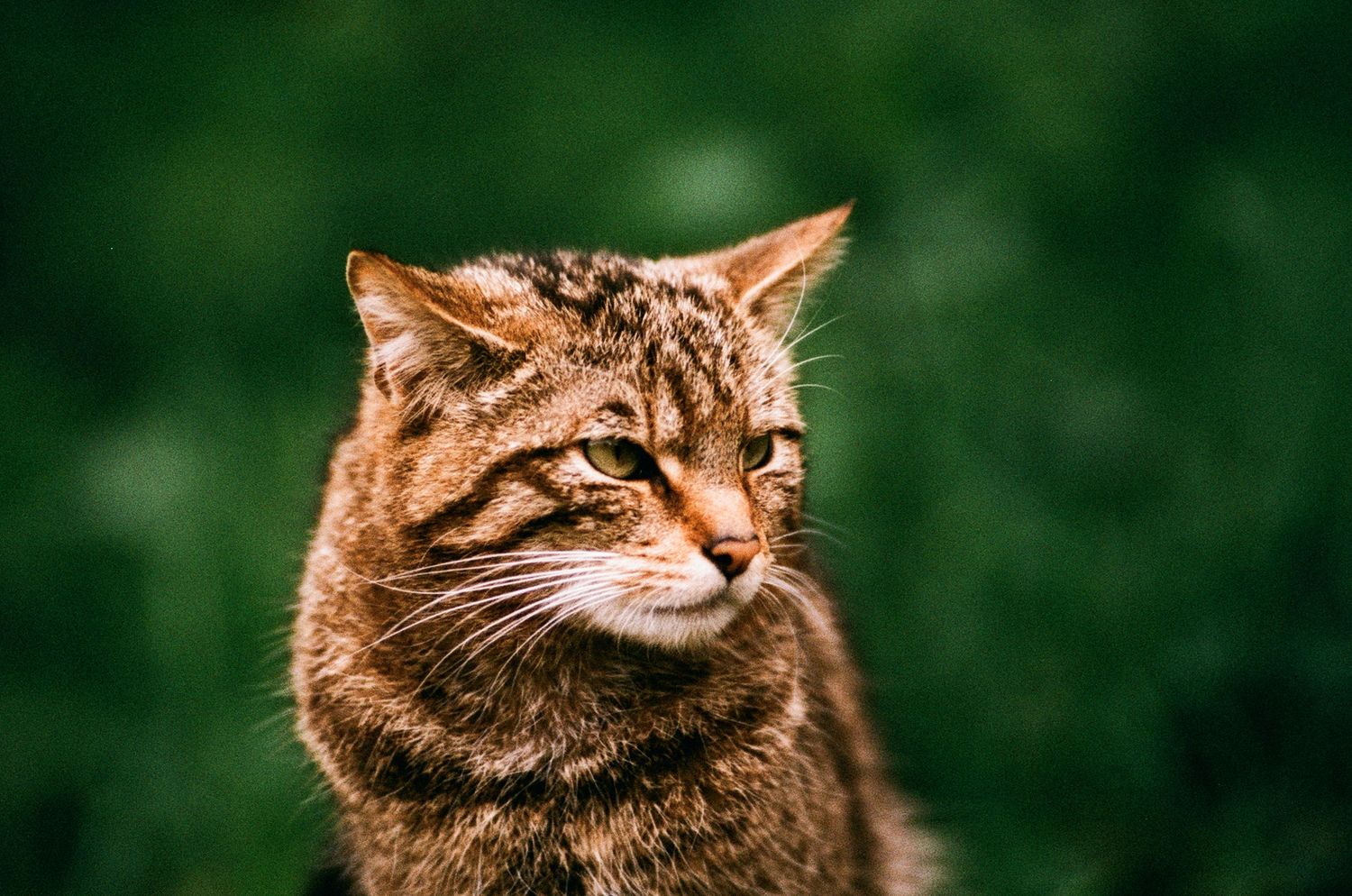
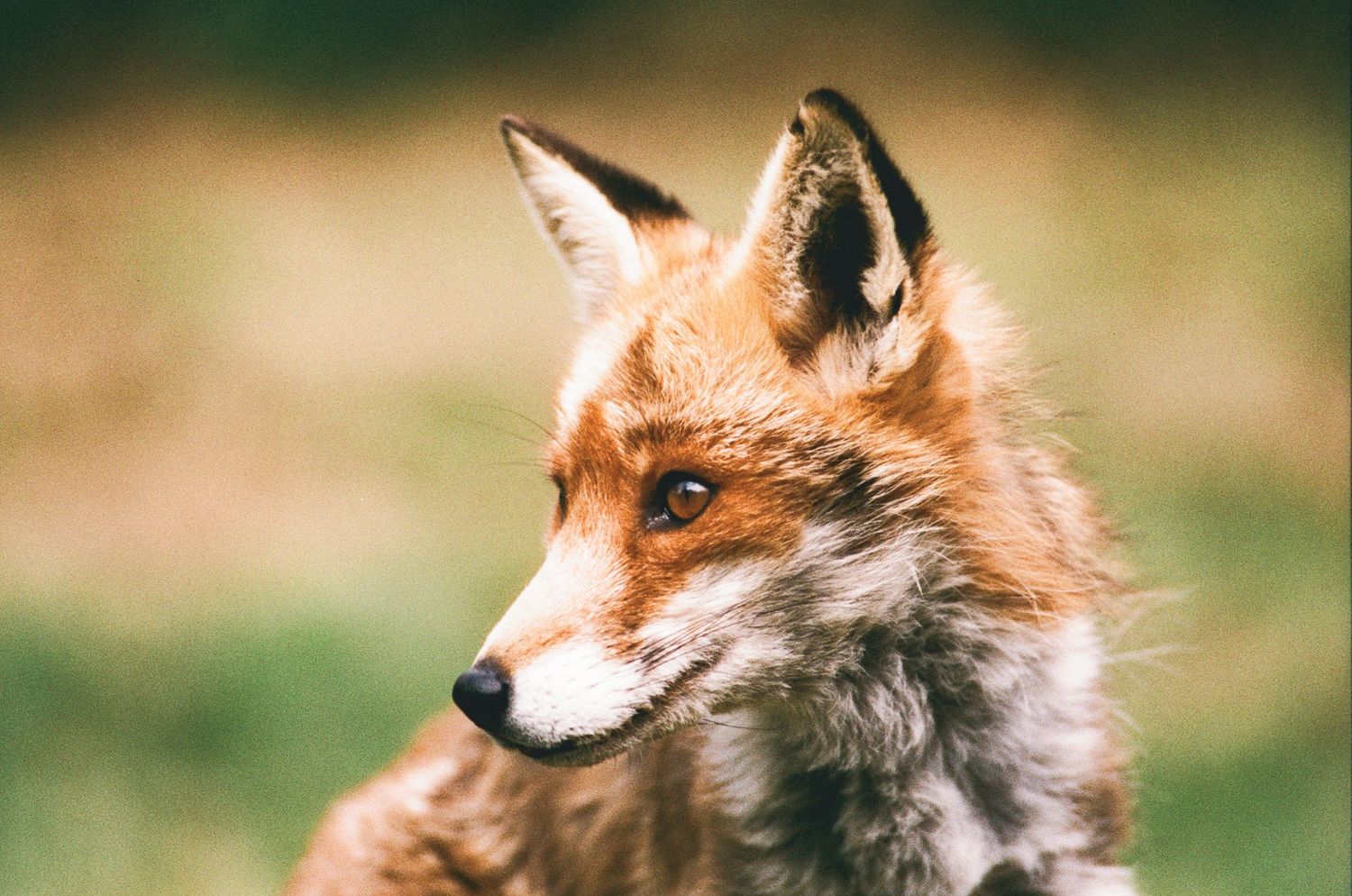
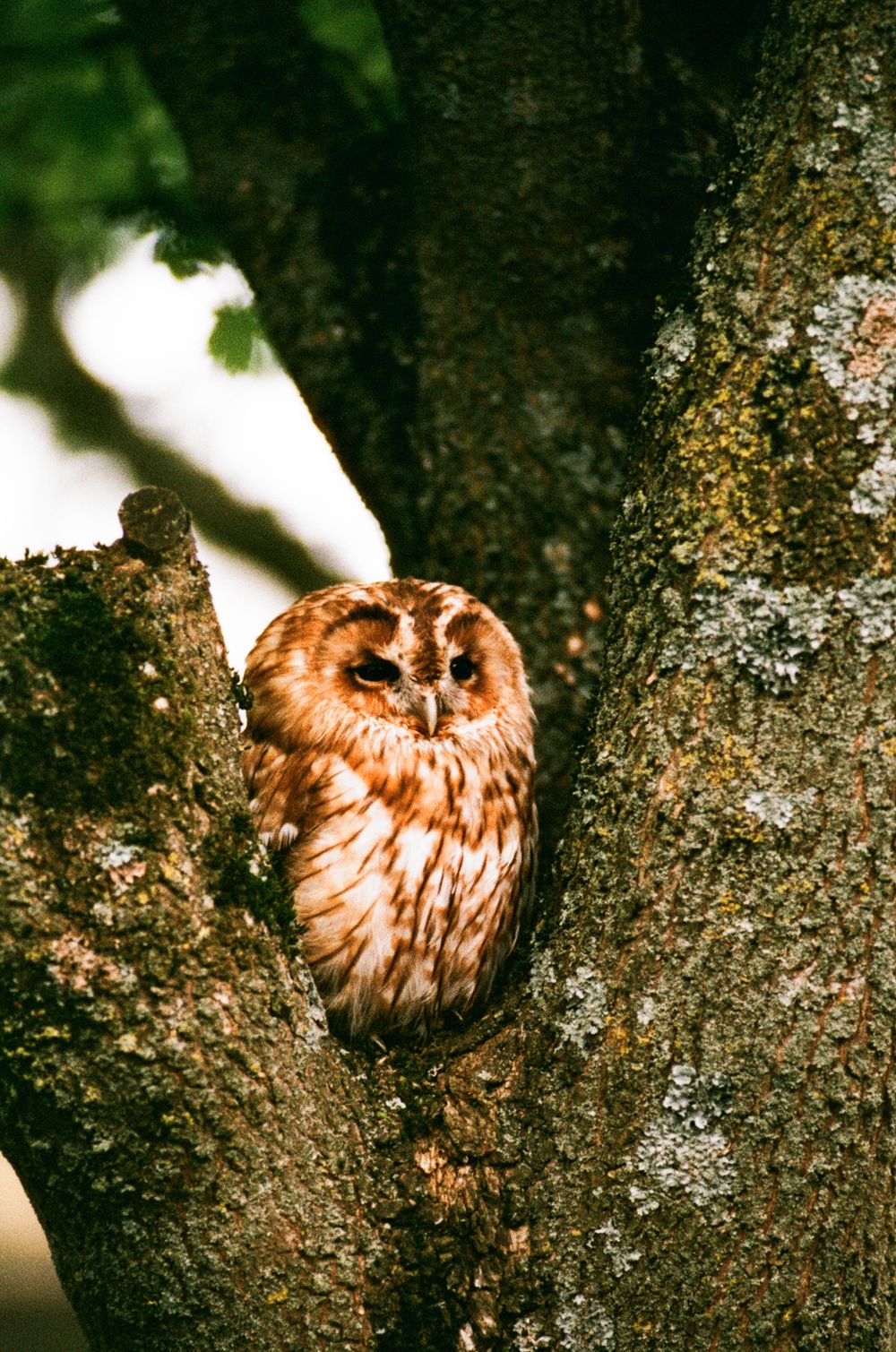
The first thing that you notice from the film stock is the sharp contrast of the images. This is even after the lab I sent it to scanned it with a reduced contrast, and looking at the negatives this shows itself further.
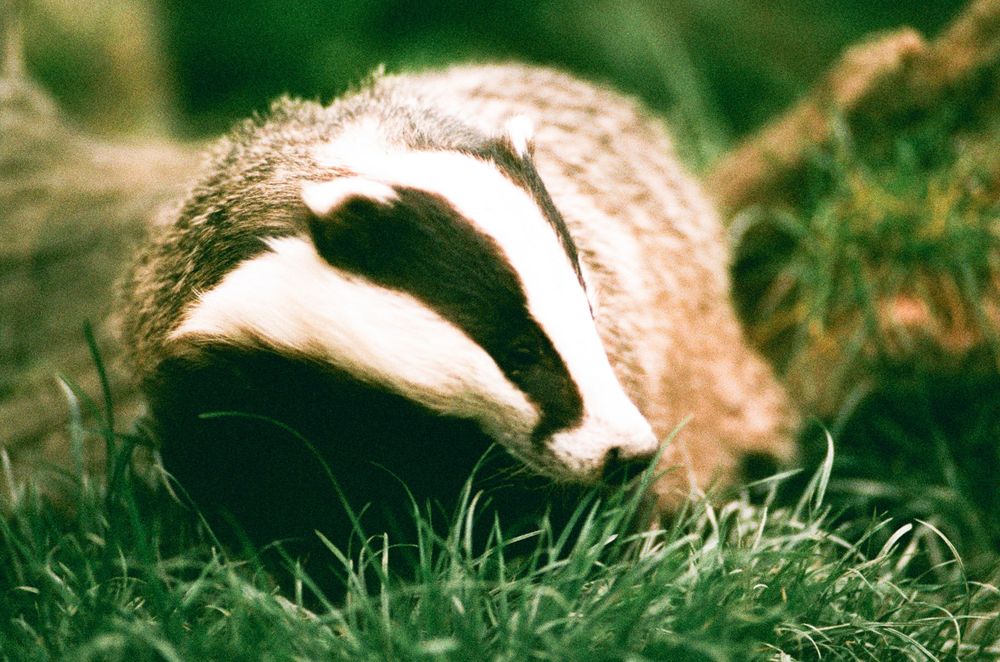
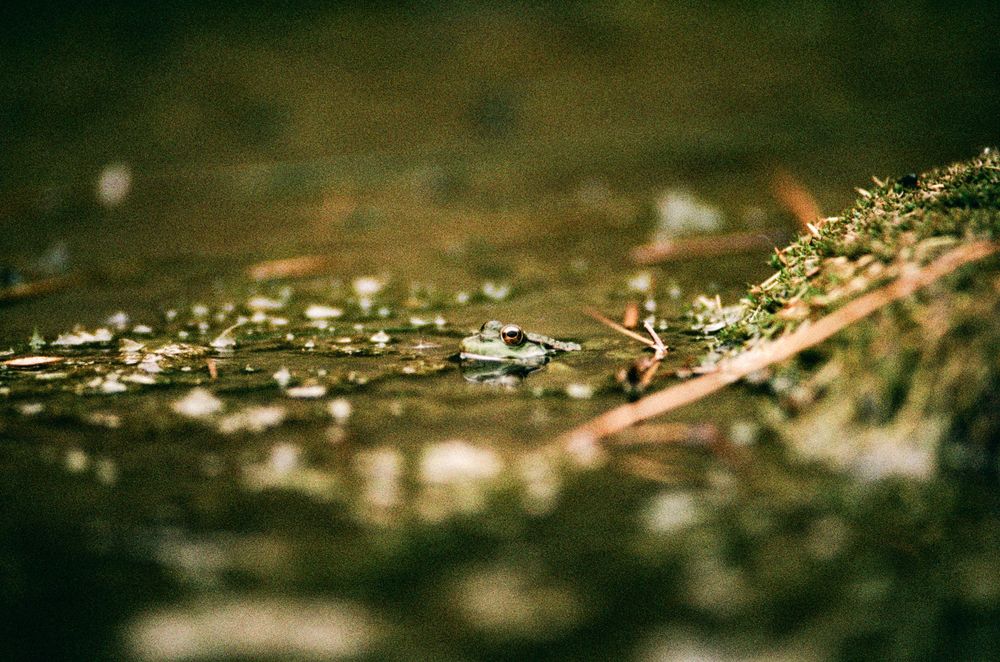
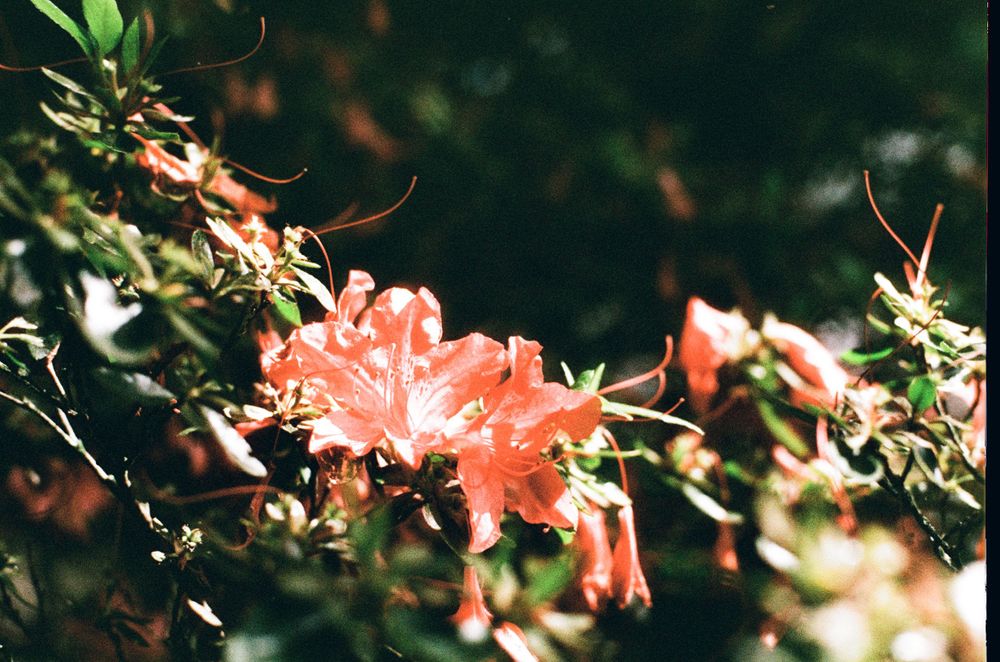
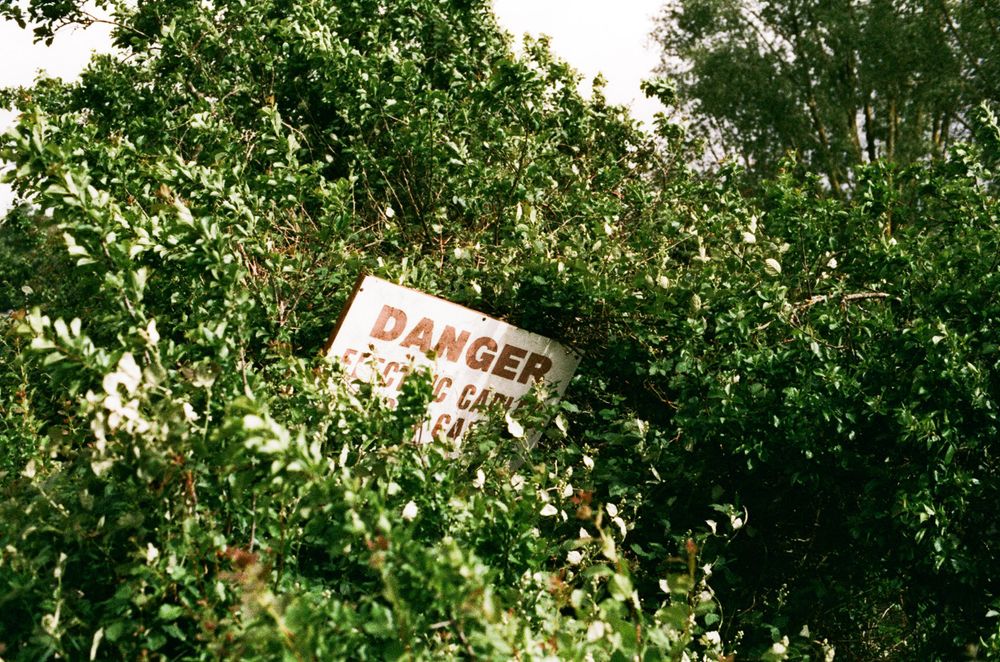
The film loves green hues, or maybe more accurately it doesn't like blue tones. All the shots came out with a dominant green cast. The foliage in the background of the wildcat is almost vermilion green, which is very striking and not necessarily in a good way. Then when looking at the Red Fox with the background which was just pale green grass. it's pulled parts in shadow to be deep rich green, but the lighter, more arid sections to be orange in colour, really catching with the fox itself.
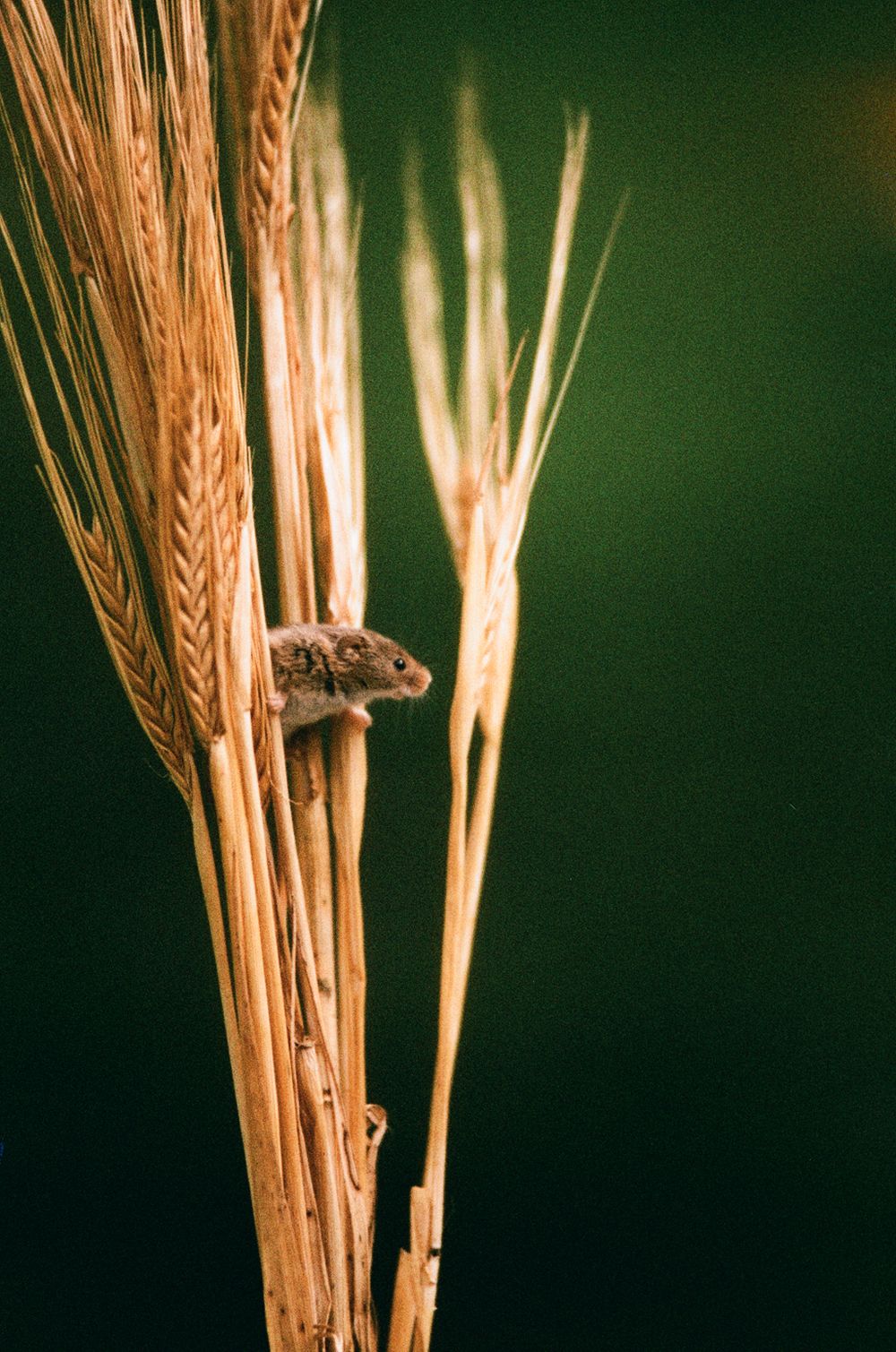
Warm tones came out in a lovely warmth and almost golden which worked amazing for the Harvest Mouse, with the colour contrast of the thistle and the background making it pop. Though a more luminous and less saturated green might have worked better in providing this contrast.
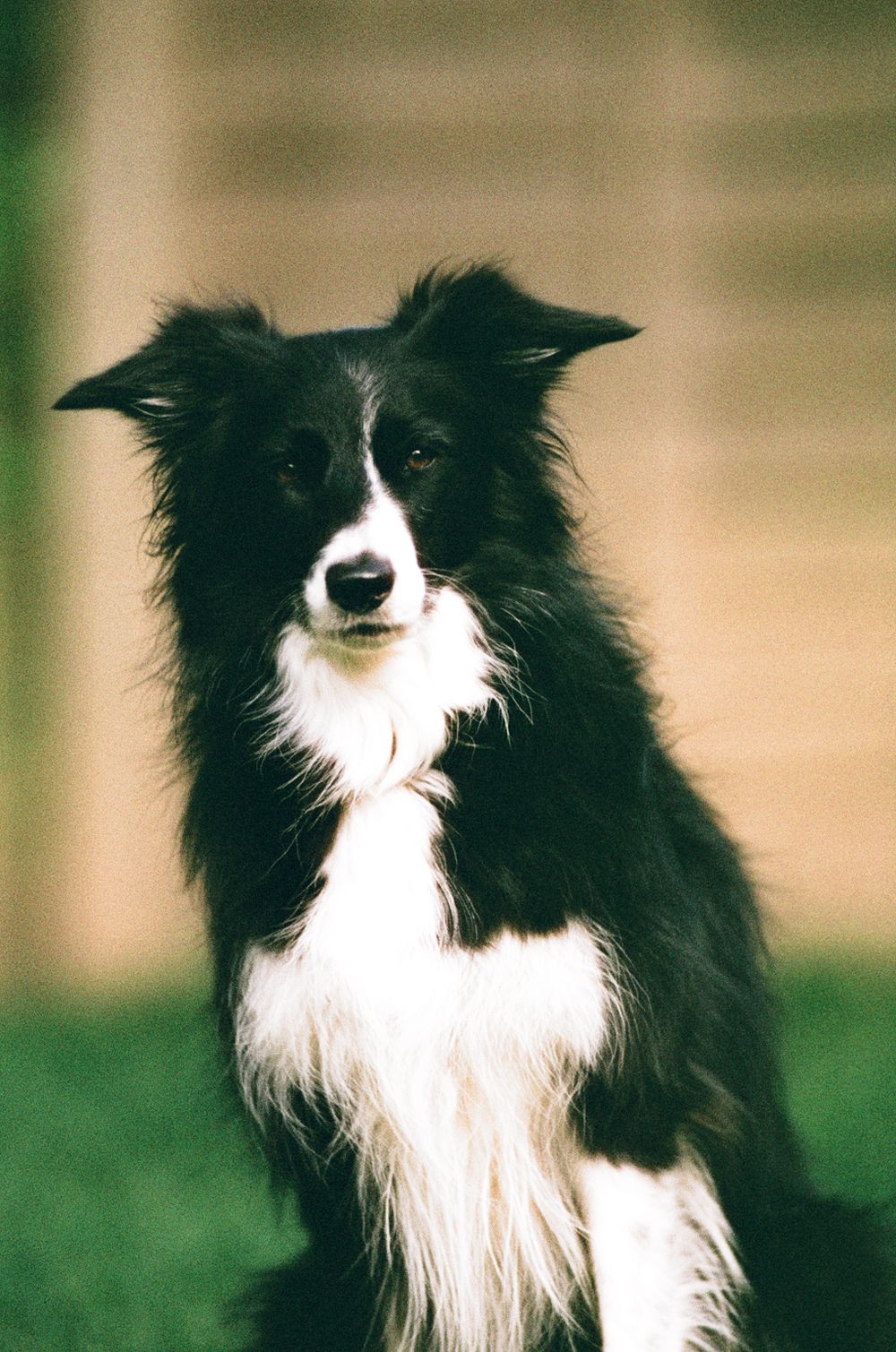
Final thoughts are of the grain, this comes accross as a far less refined film, with the silver in the film creating very noticable grain over the image, this adds the the films character especually when shooting clean and simple scenes where the isn't much detail to hide the film's grain.
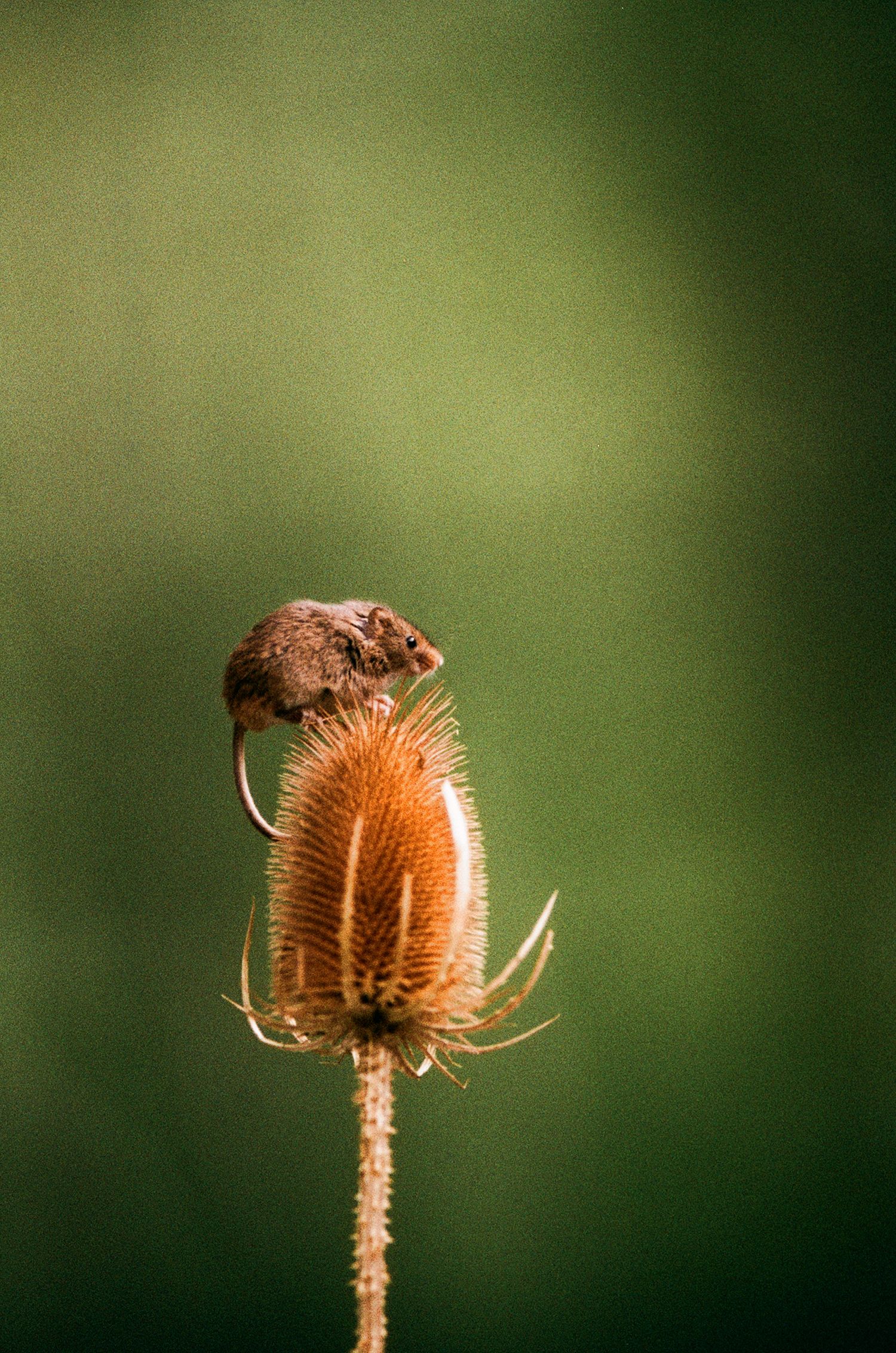
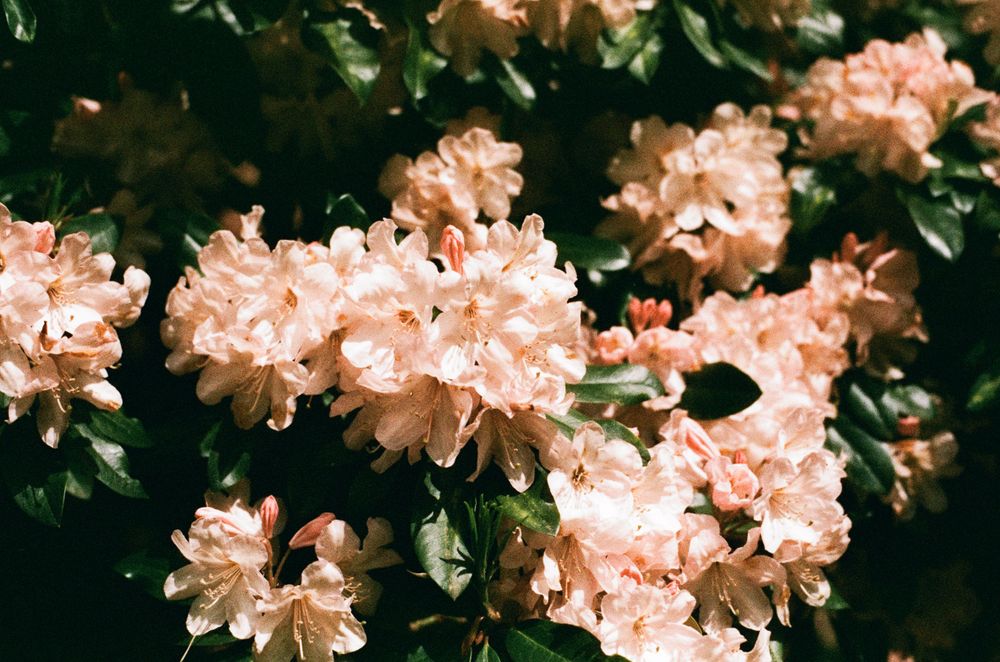
This film was great fun to get out and shoot this new film, and shooting wildlife where I had to make each individual shot count was a fun challenge. In the future if shooting this film again I would look at exposing it at 100 ISO and developing it standard, as the tones on the highlight looked fantastic and it seemed to help remove some of that green hue. Below are other shots from the film.